大学英语四六级和雅思口语话题:春节主题
- 2026-09-15 04:27:38
The Spring Festival: China’s Most Treasured Celebration
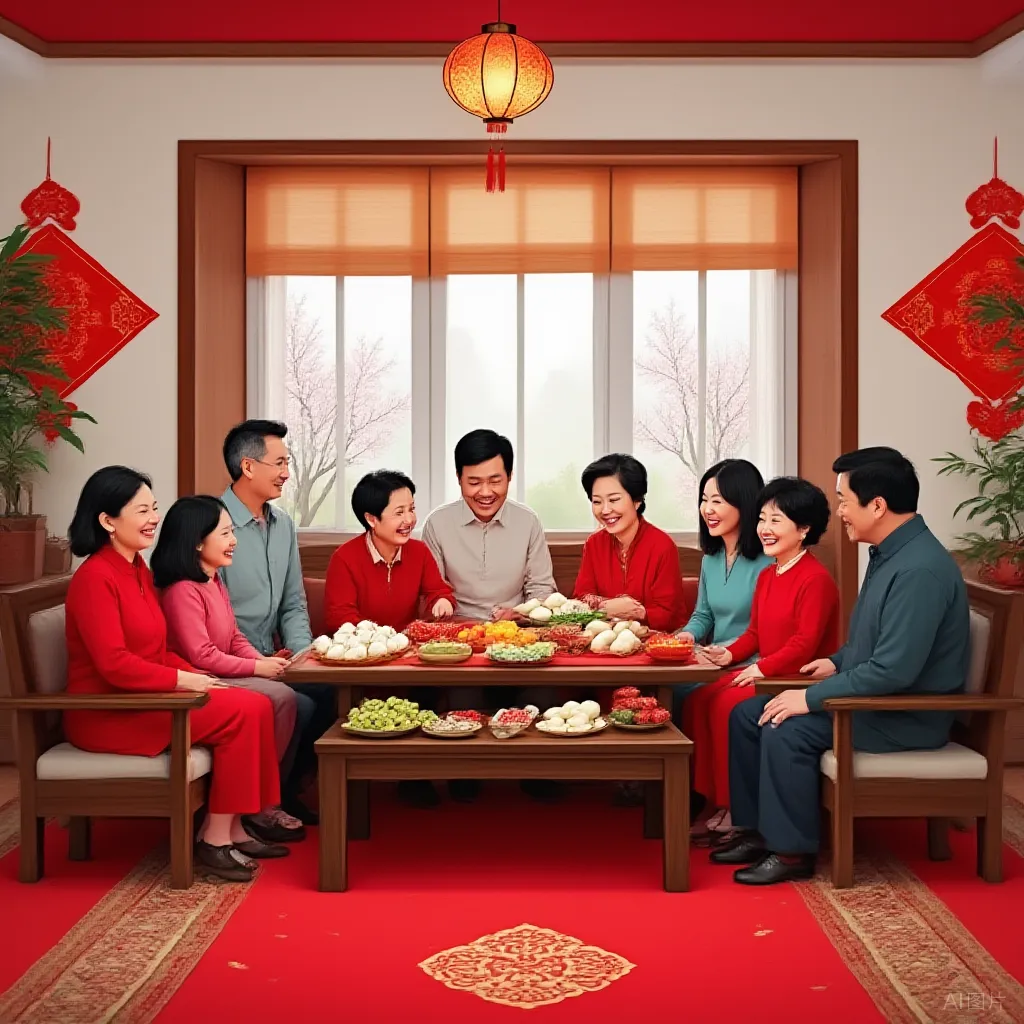
The Spring Festival, also known as the Lunar New Year, is the soul of Chinese traditional culture. Originating from the Shang Dynasty’s ancestor worship, it has evolved into a 4000-year-old tradition that unites families across the country.
Unlike the fixed Gregorian calendar date, it falls on the first day of the first lunar month, usually in late January or early February. The celebration lasts from the 23rd day of the 12th lunar month (Little New Year) to the 15th day of the first lunar month (Lantern Festival).
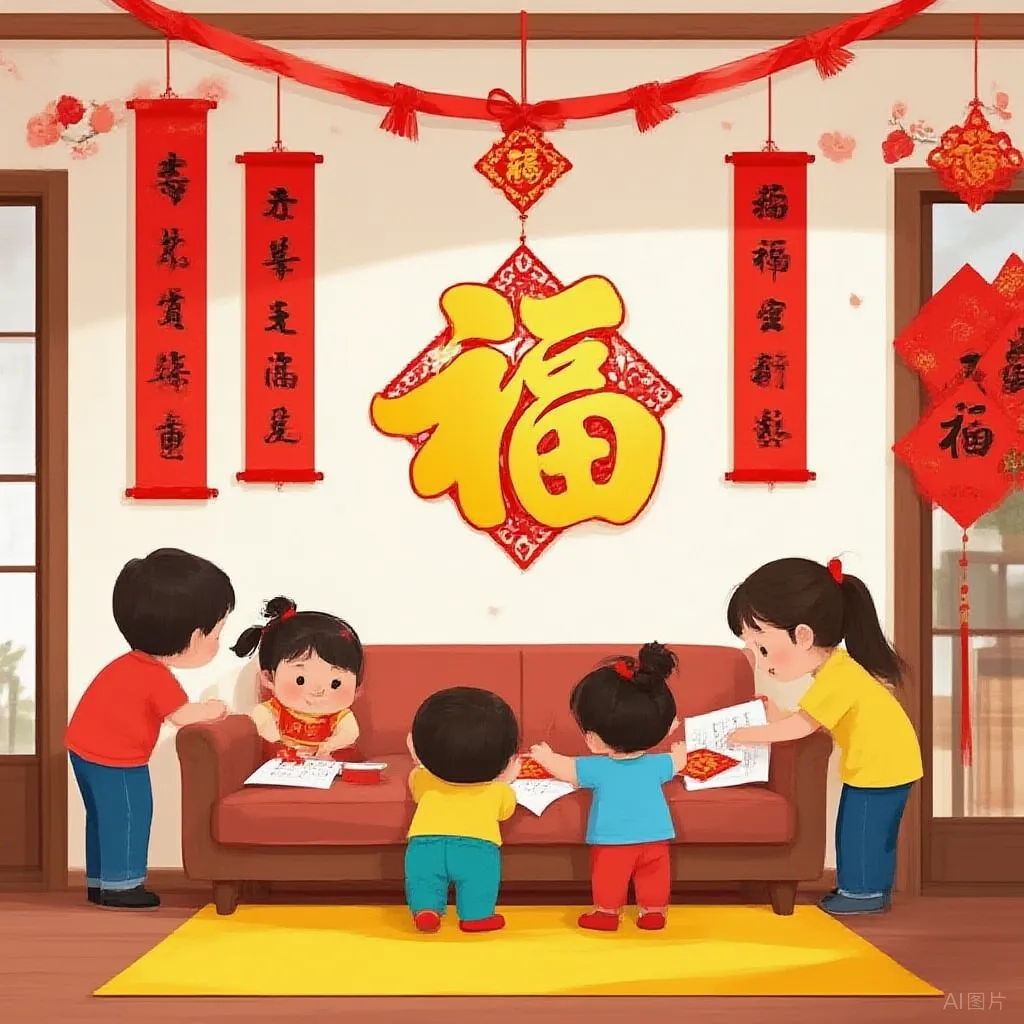
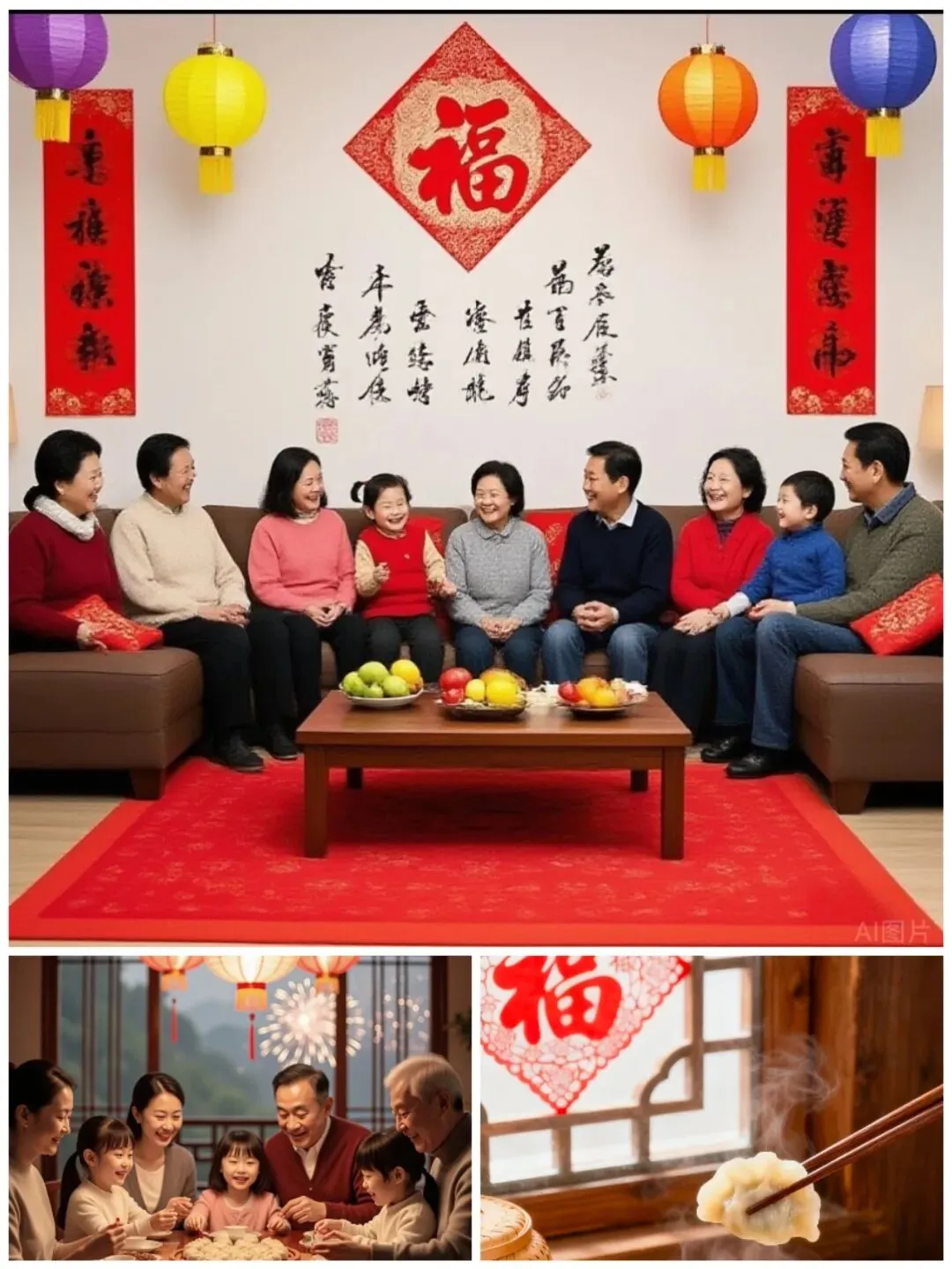
More than just a holiday, it’s a symbol of new beginnings. People clean their homes to sweep away bad luck, wear new clothes for a fresh start, and gather with loved ones to share joy and hope. Every custom, from sticking fu characters to eating dumplings, carries the wish for a prosperous year ahead.
春节习俗起源
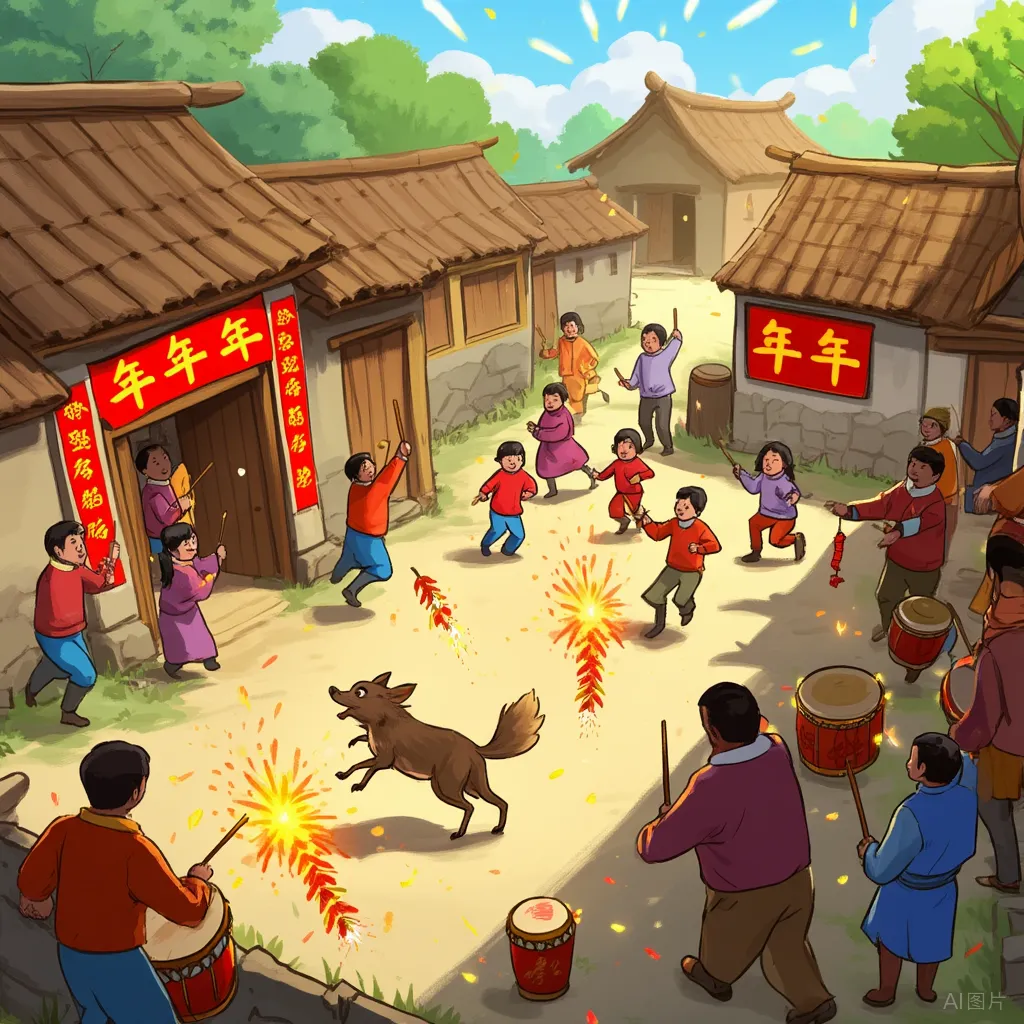
The Legend of Nian
Long ago, a fierce monster named Nian attacked villages every year. People discovered Nian feared red color, loud noises, and fire. So they lit firecrackers, hung red couplets, and beat drums to drive it away. Since then, these actions have become core Spring Festival customs.
春节色彩含义
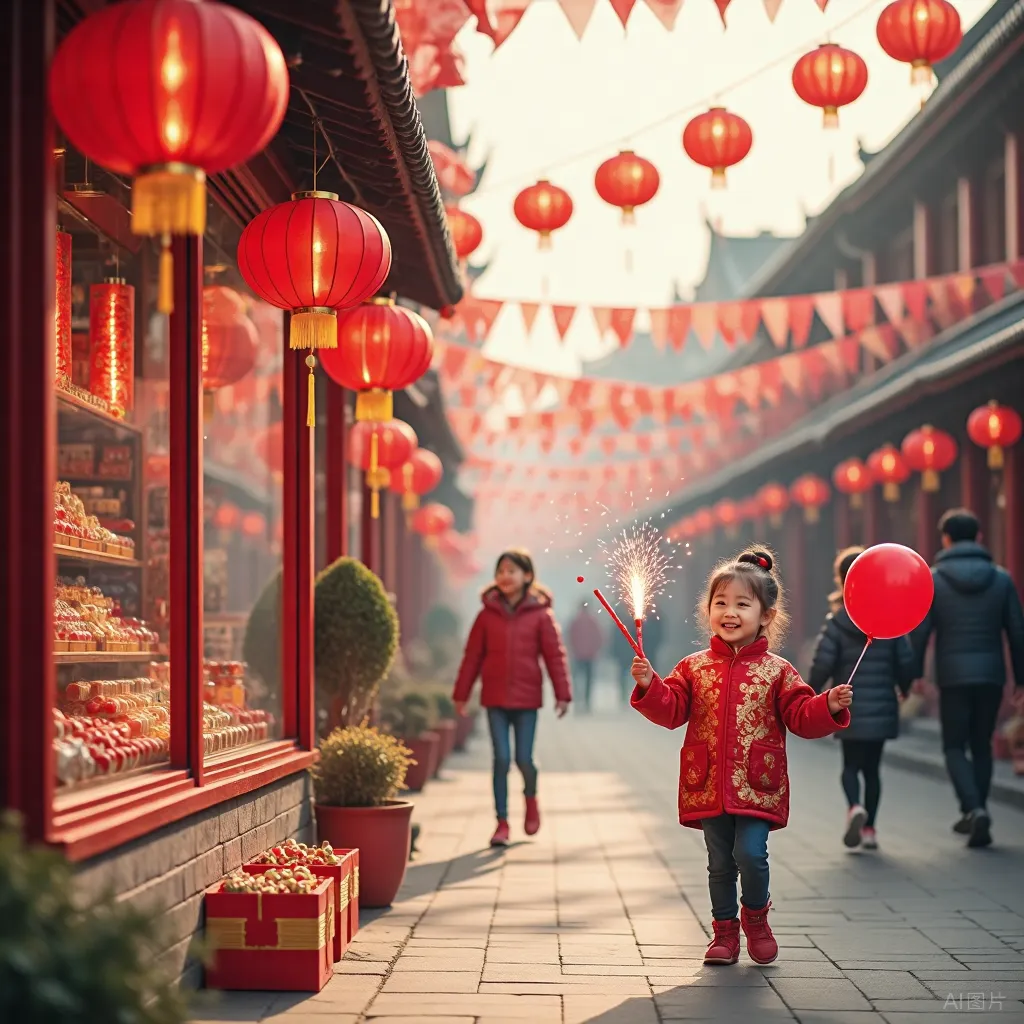
Red: The Color of Good Fortune
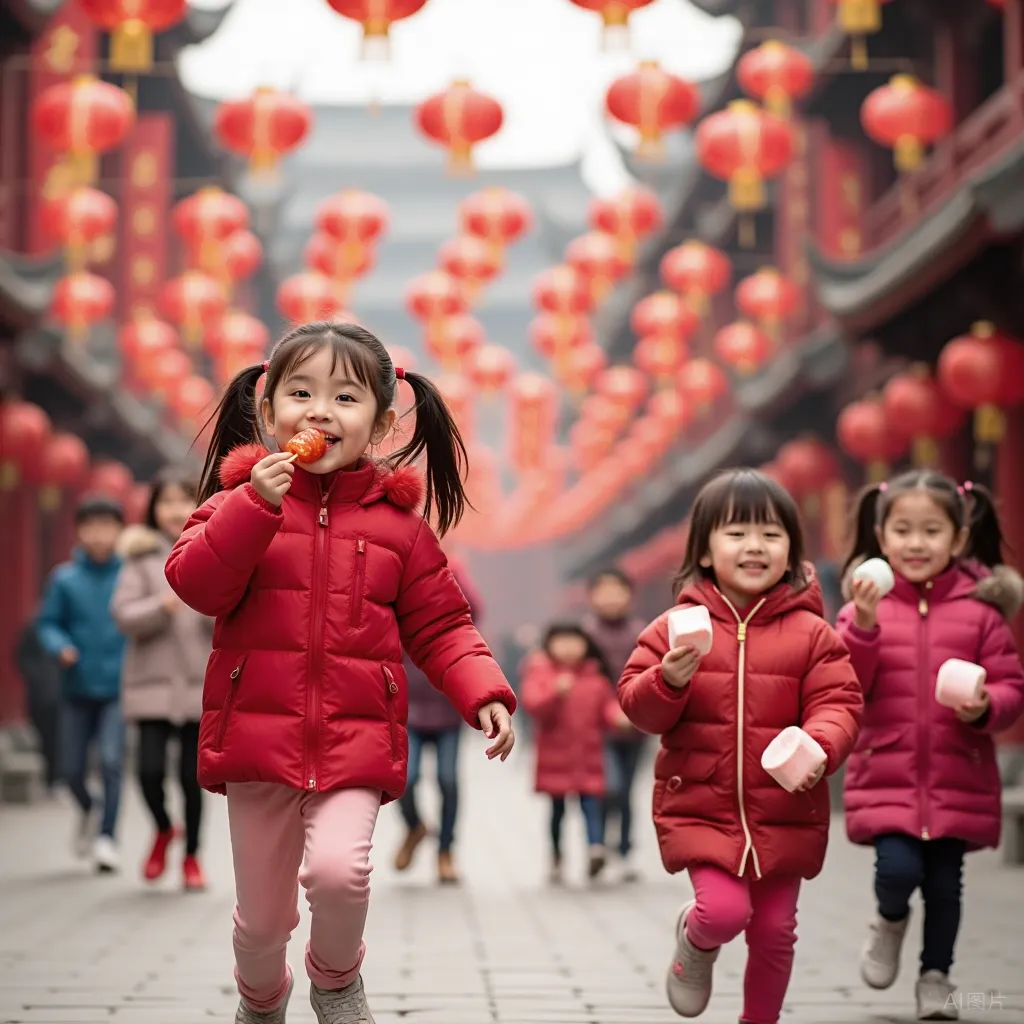
Red is the absolute protagonist of the Spring Festival. In Chinese culture, it symbolizes:
• Vitality and energy
• Good luck and wealth
• Safety and happiness
From red envelopes to lanterns, every red decoration is a silent wish for a bright and prosperous new year. Unlike red, white and black are avoided during the festival, as they are associated with sadness.
春节美食寓意 Food Symbolism
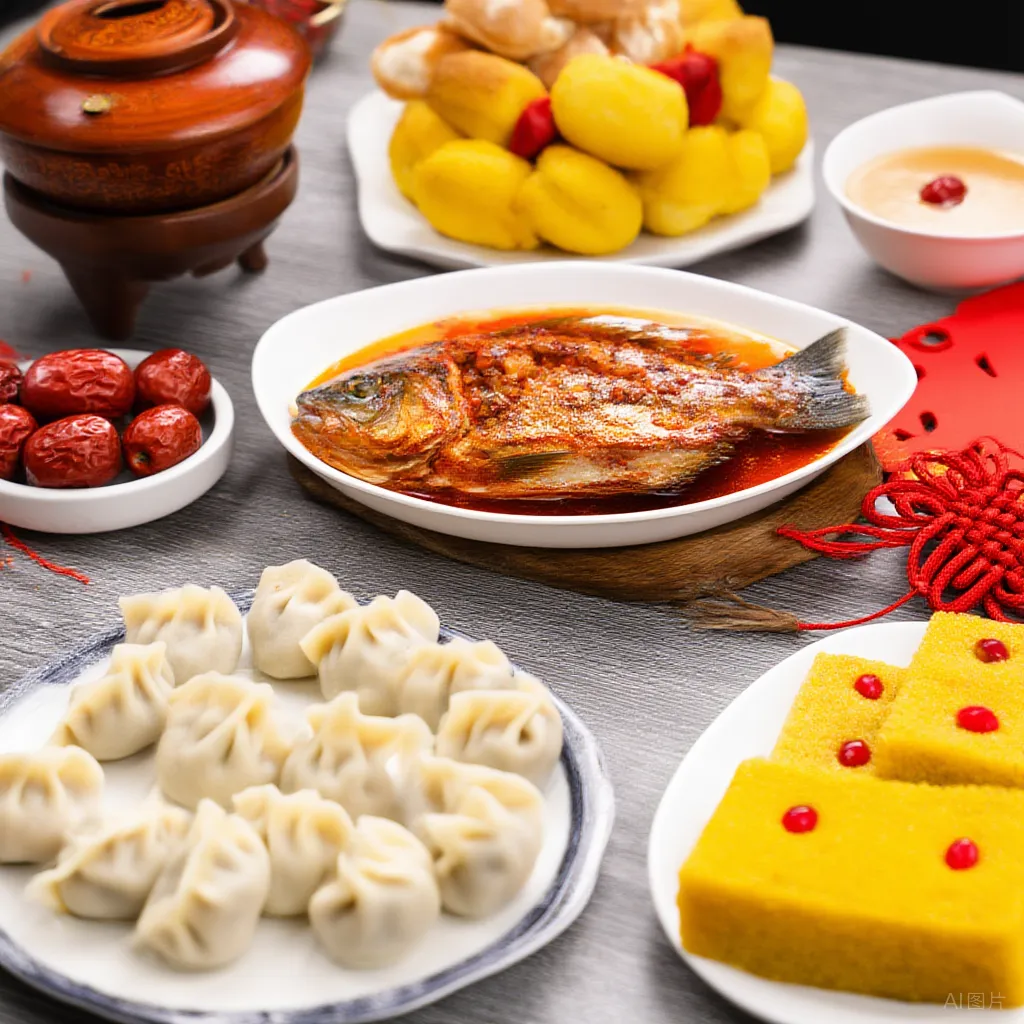
Every Bite Carries a Wish
Spring Festival food is full of symbolic meanings:
• Braised fish: "Surplus" (鱼 = 余), wishing for more wealth than the year before.
• Sweet rice cake: "Higher and higher" (糕 = 高), hoping for progress in work and study.
• Dumplings: Shaped like ancient gold ingots, symbolizing wealth and treasure.
• Glutinous rice balls: "Unity" (圆 = 团), representing family reunion.
春节地域差异
Different Customs, Same Joy
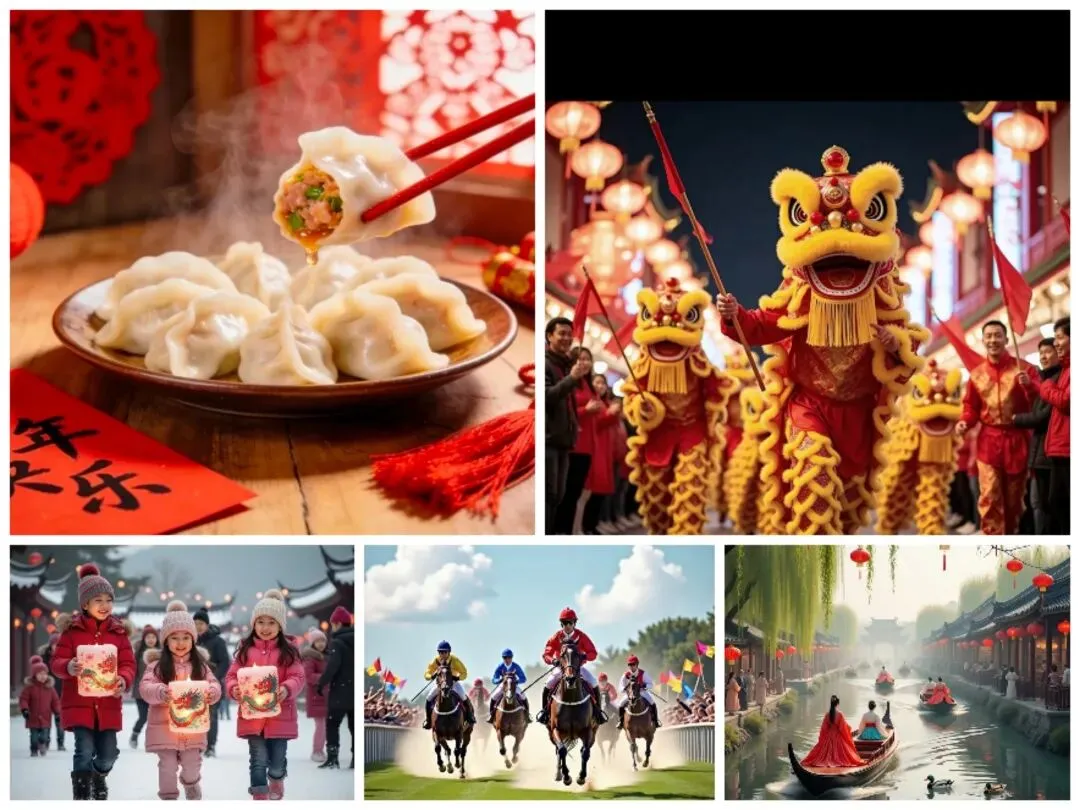
China’s vast territory brings diverse Spring Festival traditions:
- North China: Eat dumplings on New Year's Eve; play ice lanterns in Harbin.
- South China: Make sweet rice cakes; hold lion dances in Guangdong.
- East China: Visit water towns and enjoy rice cake soup in Zhejiang.
- West China: Hold horse racing activities in Xinjiang to celebrate the new year.
春节主题词汇
Spring Festival
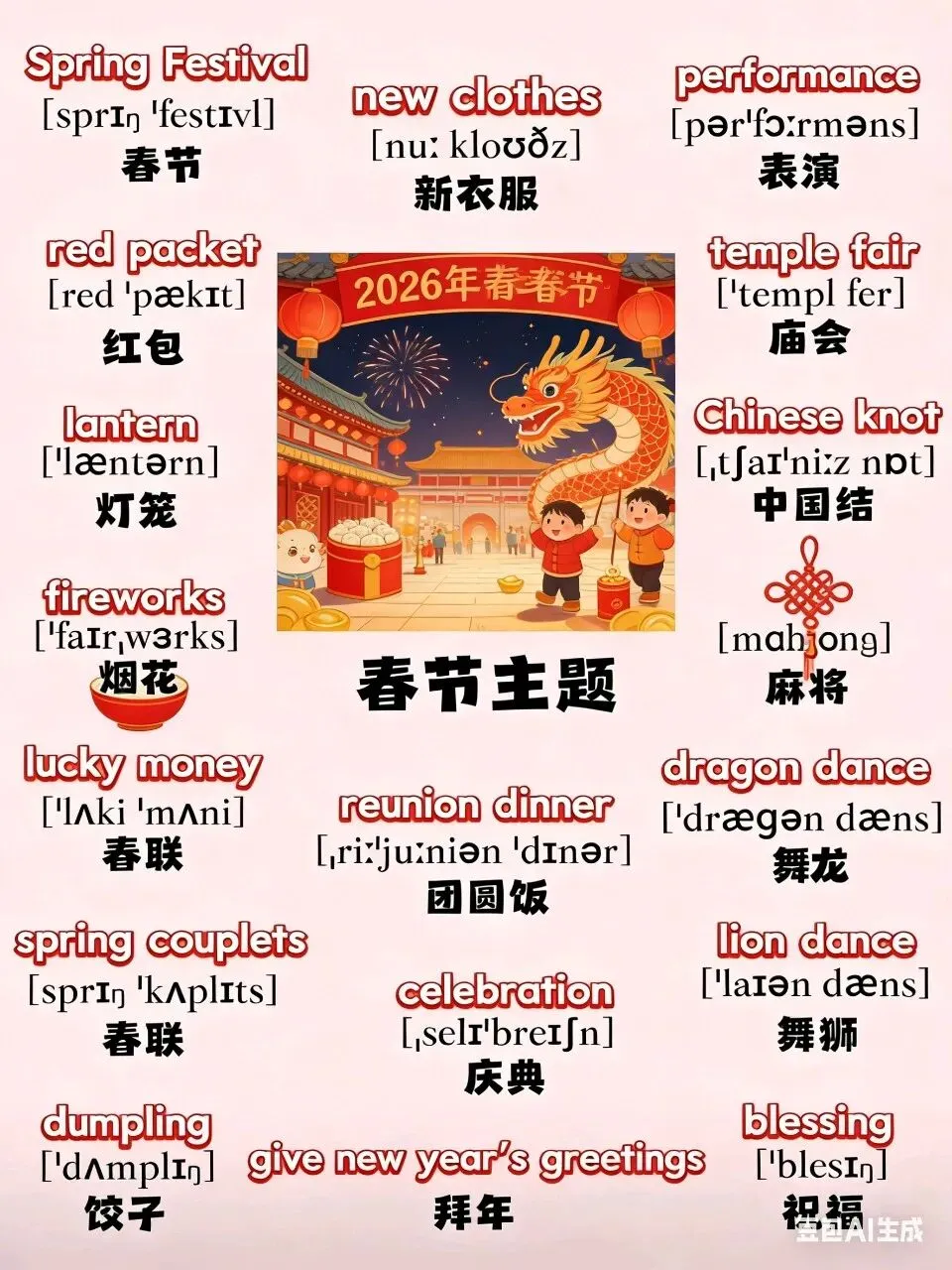
Time & History
Lunar New Year 农历新年
Shang Dynasty 殷商时期
Golden Week 黄金周
Lantern Festival 元宵节(收尾)
Symbols & Decorations
Fu character 福字
Window paper-cut 窗花
New Year painting 年画
Red decoration 红色装饰
Food & Drinks
Sweet rice cake 年糕
Glutinous rice ball 汤圆
Braised fish 红烧鱼
Rice wine 米酒
Activities & Customs
New Year market 赶年集
Burn incense 烧香
Dragon dance 舞龙
Temple fair 庙会
Gifts & Blessings
Lucky money 压岁钱
Red envelope 红包
Wishing scroll 祈福卷轴
Auspicious wish 吉祥祝福
双语春节歌谣 · 经典版