四六级、考研英语同源外刊精读《科学美国人》
- 2026-09-24 08:30:55


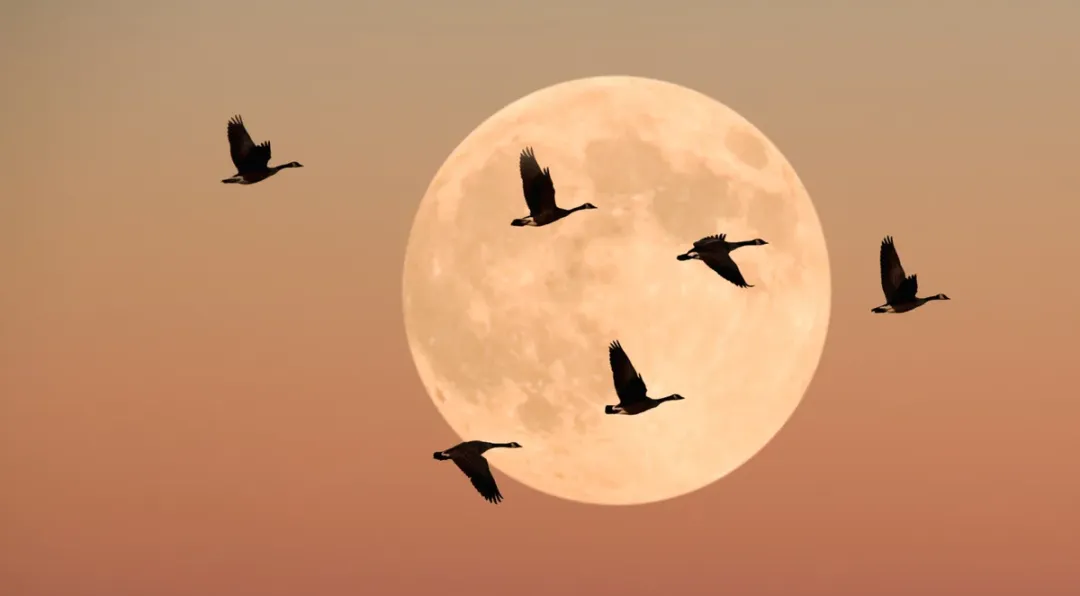
黑暗如何拯救候鸟
导读:如何对深受光污染危害的候鸟伸出援手......


Between March and June, millions of migratory⁽¹⁾ birds head north along the North American flyways. These skyward paths have been used for millennia. But as human-made structures have proliferated⁽²⁾, birds have more frequently come into contact with the unpredictable glow emanating⁽³⁾ from windows and outdoor lights.
每年三至六月,数百万只候鸟沿着北美迁徙通道向北飞行。这些空中迁徙路线已沿用数千年。但随着人工建筑大量增多,鸟类会更频繁地接触到窗户与户外灯光散发的不定向光亮。
Migratory birds often move at night, when they navigate⁽⁴⁾ using specialized⁽⁵⁾ cells that can sense Earth’s magnetic⁽⁶⁾ field and take visual cues from the faint light of the moon and stars. Artificial lights disrupt⁽⁷⁾ this carefully tuned internal navigation system, throwing birds off their path and even trapping them in bright beams.
候鸟多在夜间迁徙,它们依靠特殊细胞感知地球磁场,并借助微弱的星月光线获取视觉信号来辨别方向。人造光源会扰乱这套精密的内在导航系统,使候鸟偏离航线,甚至被困在刺眼的光束之中。
Each year an estimated one billion birds die by colliding with windows, and countless more exhaust⁽⁸⁾ themselves trying to navigate their way through artificially lit spaces. It’s a crisis for migratory species that are already facing steep⁽⁹⁾ population declines because of climate change, habitat loss and pesticide exposure. But this migration season, you can help at-risk birds safely reach their spring breeding grounds by keeping the lights low.
据估算,每年有十亿只鸟类因撞击窗户死亡,还有无数鸟类在灯火通明的区域艰难飞行、精疲力竭。受气候变化、栖息地破坏与农药侵害影响,候鸟种群数量本就急剧锐减,如今更是陷入生存危机。而在本次迁徙季,调低灯光亮度,就能帮助濒危候鸟平安抵达春季繁殖地。
“Unlike a lot of these huge sources of mortality—like changing climates—that individuals can’t influence as much as we’d like to, we can truly help with the overnight lighting problem,” says S. K. Winnicki, an evolutionary⁽¹⁰⁾ ecologist and ornithologist at the Ohio State University...

后台回复【外刊精读】
获取完整版PDF
单词积累
(1)migratory
adj. 迁徙的;流动的
例句:migratory animals adapt to seasonal changes.翻译:迁徙动物能够适应季节变化。(2)proliferate
v. 激增;大量涌现
例句:Urban buildings continue to proliferate worldwide.翻译:全球城市建筑仍在不断激增。(3)emanate
v. 散发;产生
例句:Warm light emanates from the small window.翻译:温暖的光线从小窗中散发出来。(4)navigate
v. 导航;辨别方向;应对
例句:Birds can navigate long distances naturally.翻译:鸟类可天然完成长途定向飞行。
在考研的前期学习中,外刊是非常重要的练习语感和磨耳朵的素材。
后台回复【外刊精读】,即可获取完整版PDF。

微信号:hx18014854621


