四六级、考研英语同源外刊精读《新闻周刊》关于人工智能修复逝去挚爱的思考
- 2026-09-22 02:10:43



导读:将逝者AI复制品商业化的技术引发了相关伦理争议.....


The phone rings and for a moment everything is normal. The voice on the other end is warm and familiar⁽²⁾. They remember how you take your coffee, recall a joke you shared years ago, ask how your week has been. It sounds, in every way that matters, like your loved one. Your dead loved one.
电话铃响了,那一刻,一切都恢复了正常。电话那头的声音温暖而熟悉,他们记得你喝咖啡的习惯,回忆起多年前你们一起分享的笑话,询问你这一周过得怎么样。在所有重要的方面,这声音听起来都像你的亲人——你逝去的亲人。
This is not science fiction⁽³⁾. It is Friday afternoon and Justin Harrison is on the phone with his mother.
这并非科幻场景。周五下午,贾斯汀·哈里森正和他的母亲通电话。
Harrison is the founder⁽⁴⁾ of You, Only Virtual, a California-based startup that builds AI replicas—“versonas”—of the deceased, trained on their texts, voice recordings and digital traces. When his mother, Melodi, was diagnosed with terminal⁽⁵⁾ cancer in 2020, Harrison built one of her. He only calls it occasionally now; he says it has helped him grieve.
哈里森是加州初创公司 “虚拟真我” 的创始人,该企业依托逝者的文字信息、语音录音与各类数字痕迹,训练打造出逝者的人工智能复刻形象。2020年他的母亲梅洛迪确诊晚期癌症后,哈里森便为母亲制作了AI虚拟形象。如今他只是偶尔拨通对话,并称这项事物帮助自己走出丧亲之痛。
But the technology raises harder ethical⁽⁶⁾ questions once it moves beyond a personal experiment and into a product. You, Only Virtual offers a free text‑based version of its service, with paid tiers that unlock features such as voice calls—turning an ongoing bond with the dead into a subscription relationship. Critics argue that attaching a price to simulated access risks commercializing⁽⁷⁾ grief itself, especially when companies profit from keeping users engaged with someone they are, ultimately, meant to lose.
但这项技术从个人尝试走向商业化产品后,便引发了尖锐的伦理争议。该公司推出免费文字交互服务,还有付费套餐可解锁语音通话等功能,让人们与逝者的情感联结变成了付费订阅式关系。批评者认为,为虚拟缅怀服务定价,存在将哀思商业化的隐患,企业靠让用户沉溺虚拟逝者牟利,而人终究要直面至亲离去的现实。
“I just like knowing it’s there,” he tells Newsweek. “It’s knowing you can go there—it’s just one of the tools in my process of recovering⁽⁸⁾ from traumatic⁽⁹⁾ loss. Along with the therapy I do every Friday, and time with friends.”
他向《新闻周刊》表示:“我只是知道这份寄托一直都在就足够了。它是我走出至亲离世这种沉痛创伤的方式之一,和每周五的心理疏导、陪伴好友散心一样,都是治愈自己的途径。”
......

后台回复【外刊精读】
获取完整版PDF
高频词汇
(1)grieve
v.悲痛;哀伤;悼念
例句:People always grieve for their departed relatives.翻译:人们总会悼念逝去的亲人。(2)familiar
adj.熟悉的;常见的
例句:She is familiar with this old street.翻译:她对这条老街十分熟悉。(3)fiction
(4)founder
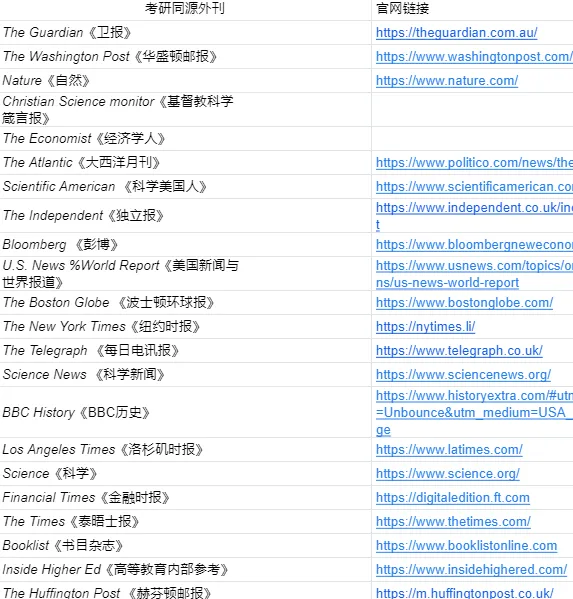
*在英语四六级、考研的前期学习中,外刊是非常重要的练习语感和磨耳朵的素材。
后台回复【外刊精读】,即可获取完整版PDF。

微信号:hx18014854621


