四六级、考研英语同源外刊精读《美国新闻与世界报道》夹心一代的压力
- 2026-09-24 11:42:23



Sandwich Generation Stress: How to Cope With Kids and Aging Parents
夹心一代的压力:如何兼顾子女与年迈父母
导读:身处夹心一代绝非易事。这些应对策略能帮你同时兼顾赡养父母与抚育子女......


When Christy Byrne Yates’s children were 9 and 12, her parents both developed dementia⁽¹⁾.
克里斯蒂・伯恩・耶茨的两个孩子一个9岁、一个12岁时,她的双亲双双患上了痴呆症。
Yates became their caregiver until they both passed just after her son graduated high school – and after many years of jointly⁽²⁾ managing the needs of teenagers and elderly parents.
耶茨自此承担起照料父母的责任,直至双亲在她儿子高中毕业不久后相继离世;多年来,她一直同时兼顾青少年子女与年迈父母的各类需求。
“Being sandwiched often feels overwhelming⁽³⁾ because parenting means supporting children as they become more independent, and caring for aging parents often means supporting them as they lose independence,” says Yates, an educational psychologist and author of “Building a Legacy⁽⁴⁾ of Love: Thriving in the Sandwich Generation.”
教育心理学家、《构筑爱的传承:在夹心一代中从容生活》一书作者耶茨表示:“身处夹心层往往让人倍感心力交瘁,养育子女是助力他们走向独立,而照料年迈父母却是陪伴他们失去独立生活的能力。”
She also experienced what she calls “anticipatory⁽⁵⁾grief⁽⁶⁾,” the sense that she was losing her parents, although they were still alive.
她还经历了自己所说的 “预期性悲伤”:即便父母尚在人世,内心却已然生出将要失去他们的落寞感。
“For me, grief showed up like irritability⁽⁷⁾ and impatience, which was not what teenagers at home needed,” she says. “It was hard for them to see me frazzled, sad and overworked.”
她说:“对我而言,悲伤表现为易怒和焦躁,而这恰恰是家里青春期孩子最不需要的状态。他们很难接受我终日心力交瘁、情绪低落、过度操劳的样子。”
In addition to working a full-time job and dealing with perimenopause, Yates moved her parents into assisted living and later to a memory care facility, and handled the legal and financial aspects of their estate.
耶茨不仅要全职工作、应对围绝经期的身体变化,还要先后将父母送入养老公寓和专门的记忆照护机构,并处理父母遗产相关的法律与财务事宜。
Yates is part of the growing “sandwich generation,” with more middle-aged adults becoming dual⁽⁸⁾ caregivers pulled in many directions, which is adversely affecting their well-being.
越来越多中年人沦为双重照料者,被生活多方拉扯,耶茨便是这庞大夹心一代中的一员,这种现状正严重损害着他们的身心健康。
......

后台回复【外刊精读】
获取完整版PDF
高频词汇
(1)dementia
n.痴呆;智力衰退
例句:Elderly dementia patients need professional care.翻译:老年痴呆患者需要专业照料。(2)jointly
adv.共同地;联合地
例句:The two countries jointly signed the agreement.翻译:两国联合签署了这份协议。(3)overwhelming
(4)legacy
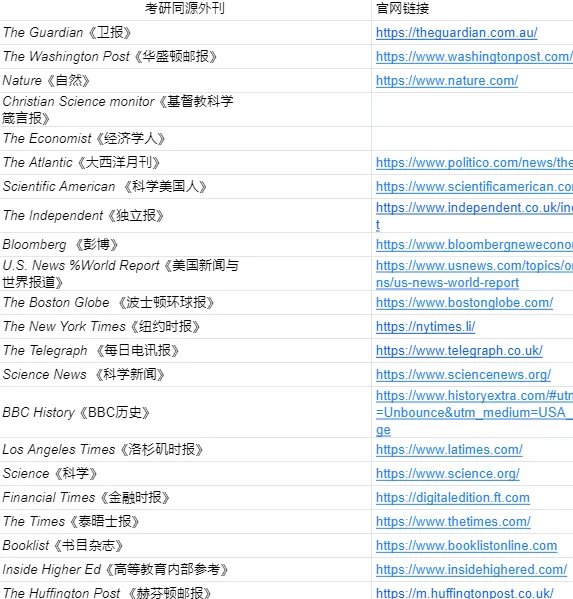
*在英语四六级、考研的前期学习中,外刊是非常重要的练习语感和磨耳朵的素材。
后台回复【外刊精读】,即可获取完整版PDF。

微信号:hx18014854621


