四六级、考研英语同源外刊精读《自然》睡眠悖论
- 2026-09-23 23:52:34


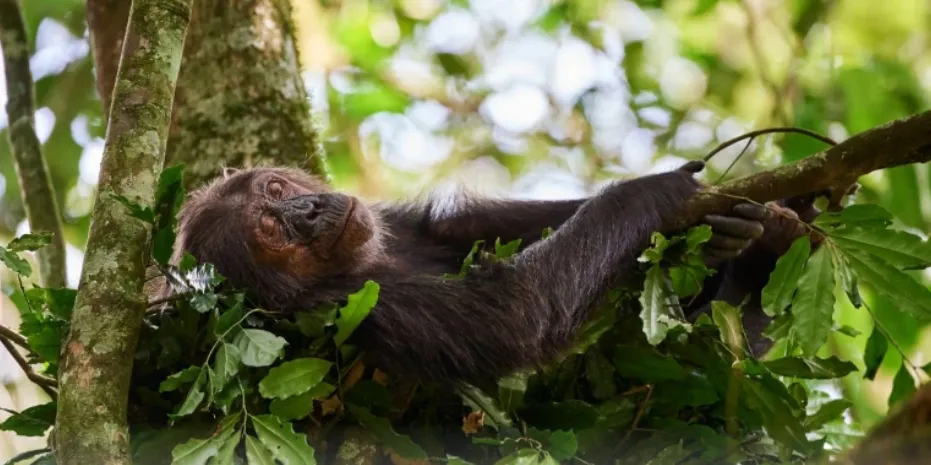
The sleep paradox⁽¹⁾: why do humans sleep so little when we need it so much?
睡眠悖论:人类明明极度需要睡眠,为何却睡得如此之少?
导读:人类的睡眠时间是进化权衡的结果,这也为我们每个人如何改善睡眠提供了借鉴......


For millennia, philosophers have argued over why humans sleep and dream. In his fourth-century-bc treatise⁽²⁾ On Sleep and Sleeplessness, the philosopher Aristotle argued that sleep is a necessary, natural suspension of consciousness that allows the body and soul to recover.
数千年来,哲学家们一直争论人类睡眠与做梦的缘由。公元前四世纪,哲学家亚里士多德在其论著《论睡眠与失眠》中提出,睡眠是意识必要且自然的暂停状态,能让身心得以修复。
This view fell out of fashion during the Age of Enlightenment in the late seventeenth century. The philosophers John Locke and David Hume, for example, thought that sleep hindered⁽³⁾ rationalism and the pursuit of knowledge. Hume lumped sleep together with fever and madness as an impediment⁽⁴⁾ to rational thought. Locke saw sleep as a regrettable, if unavoidable, disruption of God’s desire for humankind to be rational and industrious. The essayist Jonathan Crary put this view more succinctly⁽⁵⁾ — “sleeping is for losers” — when he wrote about how sleep is often devalued⁽⁶⁾ in modern society.
这一观点在 17 世纪末启蒙运动时期不再流行。例如,哲学家约翰・洛克与大卫・休谟认为,睡眠阻碍理性主义与知识探索。休谟将睡眠与发烧、精神错乱归为一类,视作理性思考的障碍。洛克认为,睡眠虽无法避免,却令人遗憾地打破了上帝期许人类理性勤勉的本意。散文家乔纳森・克拉里在论述现代社会睡眠常被贬低的现状时,将这一观点精辟概括为:“弱者才贪睡”。
Modern science, meanwhile, has increasingly come to echo⁽⁷⁾ Aristotle. It provides a chorus of evidence about the importance of sleep for a host of crucial functions, including cognition⁽⁸⁾, emotional regulation, immunity, metabolism and social bonding. Sleep is essential for cleansing the brain of metabolic waste, trimming synapses and maximizing the efficiency of cognitive processing.
与此同时,现代科学愈发认同亚里士多德的观点。大量证据表明,睡眠对认知、情绪调节、免疫、新陈代谢及社会联结等诸多关键机能至关重要。睡眠能清除大脑代谢废物、精简突触连接,并最大化认知处理的效率。
Enter David Samson, a biological anthropologist at the University of Toronto in Canada, asking a provocative question: why, if sleep has so many benefits, do humans as a species sleep so little?
加拿大多伦多大学生物人类学家戴维・萨姆森提出了一个发人深省的问题:既然睡眠益处良多,人类作为一个物种为何睡眠时间却很短?
......

后台回复【外刊精读】
获取完整版PDF
高频词汇
(1)paradox
n. 悖论;自相矛盾的人/事
释义:似非而是的论点,自相矛盾现象例句:It is a paradox that the richer he is, the unhappier he becomes.句译:一个悖论是,他越富有反而越不快乐。(2)treatise
n. 专著;论著
释义:专题学术著作例句:He wrote a profound treatise on moral philosophy.句译:他撰写了一部关于道德哲学的深奥论著。(3)hinder
(4)impediment
*在英语四六级、考研的前期学习中,外刊是非常重要的练习语感和磨耳朵的素材。
后台回复【外刊精读】,即可获取完整版PDF。

微信号:hx18014854621


