四六级、考研英语同源外刊精读《科学新闻》大金字塔屹立千年的一大谜团被解开
- 2026-09-23 07:02:07


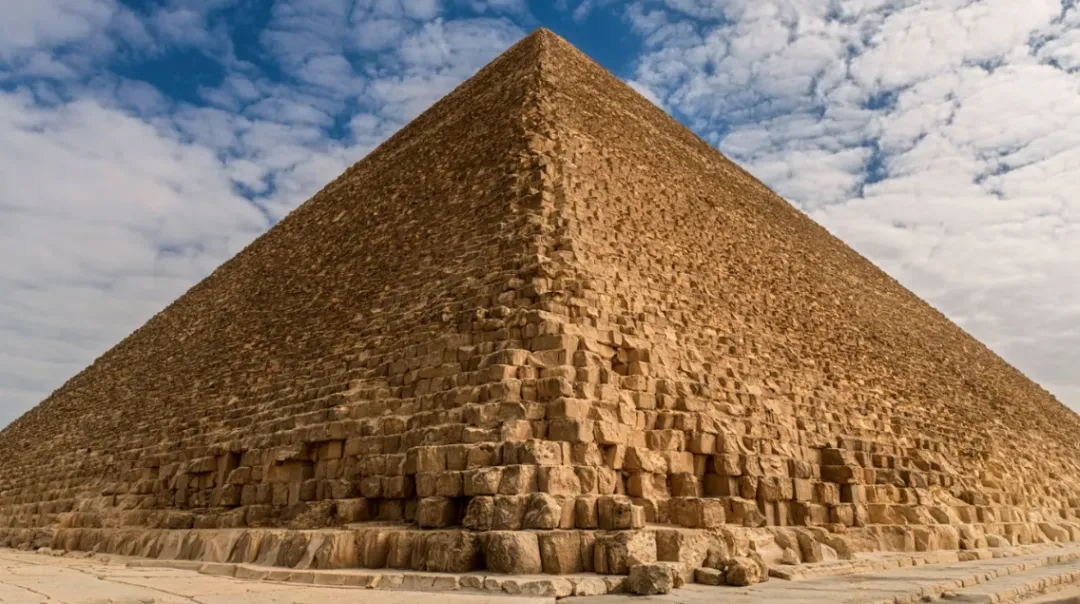
One mystery of the Great Pyramid’s longevity¹ has finally been solved
导读:设计与选材,让这座近五千年的古建筑得以抵御地震侵袭......


Egypt’s Great Pyramid of Giza has resisted² earthquake damage for nearly 5,000 years, and scientists finally know why.
埃及吉萨大金字塔近五千年来始终未遭地震损毁,科学家如今终于探明缘由。
The pyramid tends to vibrate³ at a different frequency compared with the surrounding soil, which prevents excessive⁴ shaking during an earthquake. Combined with the pyramid’s sturdy⁵ shape and mass-distributing internal design, this difference has kept the structure intact⁶ and stable, researchers write May 21 in Scientific Reports.
研究人员于5月21日在《科学报告》期刊发文表示,金字塔的震动频率与周边土层存在差异,可避免地震中剧烈晃动。再搭配稳固的外形与分散承重的内部构造,这一特性让建筑始终完好稳固。
“It’s no surprise that they are very seismically resistant,” given that the pyramids have remained standing for this long, says Sherif El-Tawil, a civil engineer at the University of Michigan in Ann Arbor who was not involved in the research. But the new study offers important insight⁷ into why the pyramids are so resistant to seismic damage, he says.
密歇根大学土木工程师谢里夫・埃尔塔维尔并未参与此次研究,他称金字塔能够长久矗立,具备强抗震能力并不稀奇。这项新研究也为揭秘其抗震原理提供了重要参考。
The Great Pyramid, the last of the ancient Seven Wonders of the World still standing, was built in Giza around 2600 B.C. to serve as the tomb of the Pharaoh Khufu. It contains about 2.3 million stone blocks and took more than two decades to construct⁸.
大金字塔是现存唯一的古代世界七大奇迹,约公元前2600年建于吉萨,用作胡夫法老的陵墓。整座建筑由约230万块石块堆砌而成,耗时二十余年完工。
Though Egypt generally has low seismic activity, it does occasionally experience strong earthquakes, including a magnitude 6.8 in 1847 and a magnitude 5.8 in 1992. Despite these powerful tremors, the Great Pyramid has suffered only minimal⁹ damage.
埃及整体地震活动频次偏低,但偶尔也会遭遇强震,1847年曾发生6.8级地震,1992 年发生5.8级地震。历经数次强震,大金字塔仅受到轻微损坏。
To uncover the origins of this enduring stability, geophysicist Mohamed ElGabry and colleagues monitored¹⁰ subtle vibrations at 37 points within and around the pyramid. Intentionally shaking the pyramid could be damaging to it, so the team instead relied on tiny disturbances caused by far-off ocean waves, traffic or other human activities to set the structure vibrating.
为探寻其恒久稳固的根源,地球物理学家穆罕默德・埃尔加布里及其团队,在金字塔内外37个点位监测细微震动。刻意晃动建筑会造成破坏,因此研究人员借助远洋海浪、交通及人类活动产生的微弱扰动,使其产生震动以供观测。
......

后台回复【外刊精读】
获取完整版PDF
高频词汇
(1)longevity
n.长寿;耐久,长存
例句:The wall gains great longevity.译文:这面墙体拥有极强的耐久度。(2)resist
v.抵抗;抵御;抗拒
例句:Plants resist cold wind in winter.译文:植物在冬日抵御寒风。(3)vibrate
v.震动;颤动
例句:The floor vibrates when trains pass by.译文:火车驶过,地面随之震动。(4)excessive
*在英语四六级、考研的前期学习中,外刊是非常重要的练习语感和磨耳朵的素材。
后台回复【外刊精读】,即可获取完整版PDF。


微信号:hx18014854621


