考研四六级英语双语精读题源纽约时报|The Doctor Will Be With You, After a Brief Consult With AI
- 2026-09-19 01:06:55

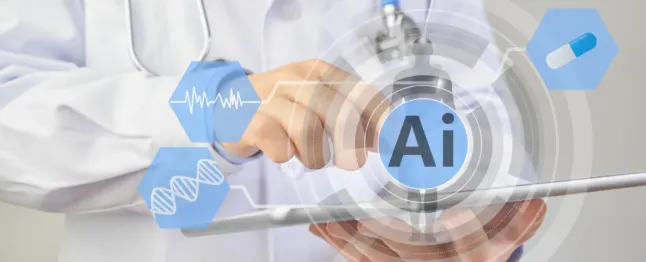
英文:The Doctor Will Be With You, After a Brief Consult With A.I.
中文:医生为你诊治之前,先和AI短暂会诊了一下
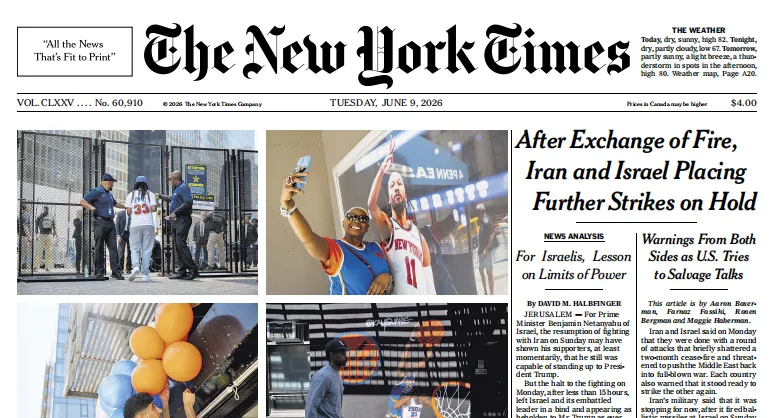
📰 来源:The New York Times 📅 日期:2026.6.9
📝 词数:约 480 words ⭐ 难度:★★★★☆
第一段:现象引入—急诊室里的AI时刻
英文原文
Dr. Nicholas Gavin, an emergency medicine doctor at Mount Sinai in New York City, was working an overnight shift last summer when a patient came in with a puzzling set of symptoms. Within seconds, his three younger colleagues — two medical students and a resident — were consulting a free artificial-intelligence-powered app for physicians, OpenEvidence.
中文翻译
去年夏天,纽约西奈山医院急诊科医生尼古拉斯·加文正值夜班,一名患者带着一组令人困惑的症状前来就诊。几秒钟之内,他的三位年轻同事—两名医学生和一名住院医师—已经在查阅一款面向医生免费开放的人工智能应用程序:OpenEvidence。
第二段:数据揭秘—三分之一的医生都在用
英文原文
Dr. Gavin soon learned that they were far from outliers. A third of Mount Sinai's 9,000 doctors were already regular OpenEvidence users, the health system's executives found out in a meeting last year with the start-up's leaders. "That was an 'aha' moment for our leadership," said Dr. Gavin, who is also the system's chief clinical innovation officer.
中文翻译
加文医生很快意识到,这三位年轻同事绝非个例。西奈山医疗系统在去年与该初创公司领导层的一次会议上得知,系统内9000名医生中已有三分之一是OpenEvidence的常规用户。"那对我们管理层来说是一个'啊哈'时刻,"同时担任系统首席临床创新官的加文医生说。
第三段:爆款产品—医生界的"聊天神器"
英文原文
OpenEvidence's A.I. app, essentially a chatbot for medicine, has become a viral hit with physicians. Talk to a doctor and chances are he or she uses the app to ask specific medical questions or bounce ideas off it in a diagnostic dialogue. More than half of the nation's physicians are now registered users of the platform.
中文翻译
OpenEvidence的AI应用程序本质上是一款面向医学领域的聊天机器人,已在医生群体中成为病毒式传播的热门工具。与医生交谈,很可能对方正在用这款应用提出具体的医学问题,或在诊断对话中与它相互碰撞想法。目前,全国超过一半的医生已注册成为该平台用户。
第四段:应用逻辑—AI如何改变临床决策流程
英文原文
The app is trained on medical literature and clinical guidelines, allowing doctors to query it in natural language and receive evidence-based answers in seconds. Unlike general-purpose AI tools, OpenEvidence is specifically designed for clinical settings, with responses anchored to peer-reviewed research. Physicians use it to cross-check diagnoses, explore treatment options, and stay current with fast-moving medical evidence.
中文翻译
这款应用基于医学文献和临床指南进行训练,允许医生以自然语言提问,并在数秒内获得基于循证医学的答案。与通用型AI工具不同,OpenEvidence专为临床场景设计,其回答锚定于同行评审研究。医生们用它来交叉核验诊断、探索治疗方案,并及时跟进快速更新的医学证据。
第五段:行业影响—AI重塑医患关系与医疗生态
英文原文
The rapid adoption of AI tools like OpenEvidence is reshaping how medicine is practiced at the bedside. Supporters argue that AI acts as a knowledgeable partner, helping doctors make faster and better-informed decisions. Critics, however, raise questions about over-reliance on algorithmic suggestions and the potential erosion of clinical reasoning skills among younger physicians still in training.
中文翻译
以OpenEvidence为代表的AI工具被快速采纳,正在从床边重塑医疗实践的方式。支持者认为,AI充当了知识渊博的合作伙伴,帮助医生做出更快、更有据可查的决策。然而,批评者也提出了忧虑:过度依赖算法建议,以及仍在培训阶段的年轻医生临床推理能力可能因此退化。
📚 词汇词组
1. puzzling /ˈpʌzlɪŋ/ adj.
① 令人困惑的,费解的 ② 难以捉摸的
例句:The patient presented with a puzzling combination of symptoms that defied easy diagnosis.
2. outlier /ˈaʊtlaɪər/ n.
① 异常值,离群点(统计) ② 与众不同的人或事物 ③ 例外
例句:The survey showed that early AI adopters were no longer outliers — the technology had gone mainstream.
3. viral /ˈvaɪrəl/ adj.
① 病毒式传播的,迅速走红的 ② 病毒性的,病毒引起的
例句:The AI chatbot became a viral hit among medical professionals within months of its launch.
4. diagnostic /ˌdaɪəɡˈnɒstɪk/ adj./n.
① 诊断的,有助于诊断的(adj.) ② 诊断测试,诊断工具(n.)
例句:Doctors use the app as a diagnostic aid, bouncing clinical observations off it before making final decisions.
5. evidence-based /ˈevɪdəns beɪst/ adj.
① 循证的,基于证据的 ② 以实证为基础的
例句:Modern clinical guidelines emphasise evidence-based medicine over intuition alone.
6. anchor /ˈæŋkər/ v./n.
① 使固定,使依托(v.) ② 锚,主持人(n.)
例句:The AI system's responses are anchored to peer-reviewed literature, reducing the risk of misinformation.
7. over-reliance /ˌoʊvər rɪˈlaɪəns/ n.
① 过度依赖,过分依赖
例句:Medical educators warn against over-reliance on AI tools at the expense of developing independent clinical judgment.
8. erosion /ɪˈroʊʒən/ n.
① 侵蚀,腐蚀(地质) ② 削弱,逐渐消退(比喻)
例句:Critics fear that widespread AI use in hospitals could lead to the gradual erosion of core diagnostic skills.
✍️ 写作句总结
原句
Talk to a doctor and chances are he or she uses the app to ask specific medical questions or bounce ideas off it in a diagnostic dialogue.
结构抽象
Talk to + [某类人] + and chances are + [he/she/they] + [does something] + to + [具体行为].
造句示范
Talk to a software engineer today and chances are he or she uses an AI coding assistant to debug programs or brainstorm architectural solutions in a collaborative workflow.
长难句分析
Talk to a doctor and chances are he or she uses the app to ask specific medical questions or bounce ideas off it in a diagnostic dialogue.
主干:chances are he or she uses the app 主语 = chances(名词作主语) 系动词 = are 表语 = 后接 that 省略的从句:he or she uses the app... 整体语气:非正式口语化表达,等同于 "it is likely that..."
祈使句引导并列结构:Talk to a doctor and... 经典句式:祈使句 + and + 结果句(条件→结论),语气简洁有力
短语解析:bounce ideas off it 字面意思:将想法"弹"给它 实际含义:把想法告诉对方(此处为AI),看看能否获得反馈和碰撞 可替换:exchange views with it / use it as a sounding board
理解要点:"chances are + 从句"是英语高频口语句型,省略 that,语气比 "it is likely that" 更自然流畅;适合描述某类群体或情景下的普遍行为,可用于雅思写作的论据陈述句
📝 阅读理解
题目:According to the passage, what does the discovery at Mount Sinai's meeting primarily reveal?
A. That AI apps are replacing doctors in making final clinical decisions B. That one-third of Mount Sinai's doctors were already using OpenEvidence regularly C. That OpenEvidence was developed by Mount Sinai's own research team D. That younger doctors are less capable than their seniors due to AI dependence
答案解析
✅ 正确答案:B
❌ 选项A:错误。文章描述的是医生用AI"辅助"提问和诊断对话,并无替代临床最终决策的含义;恰恰相反,文章后半段还提到了对AI过度依赖的批评。
❌ 选项C:错误。文章清楚写明OpenEvidence是一家"start-up"(初创公司)的产品,并非西奈山自主研发。
✅ 选项B:正确。文章原文明确指出:"A third of Mount Sinai's 9,000 doctors were already regular OpenEvidence users",这正是那次会议带给管理层的"啊哈时刻"。
❌ 选项D:错误。文章虽提及批评者担忧年轻医生临床推理能力退化的风险,但这是批评者的顾虑,并非"发现",也与西奈山会议的内容无关。
📖 全文概括
中文段落大意
第一段:以西奈山医院急诊科的真实场景为引子—年轻医生在接诊困惑病例时,第一时间打开了AI应用OpenEvidence,引出核心话题。
第二段:通过数据揭秘—西奈山三分之一的医生已是该应用的常规用户,这一事实令管理层深感震撼,认为是一个行业转折点信号。
第三段:描述OpenEvidence的爆款属性—已在全美医生群体中病毒式传播,超过半数医生注册使用,成为临床诊断对话的新型工具。
第四段:解析AI应用的底层逻辑—基于医学文献与临床指南训练,回答锚定循证研究,专为临床场景设计,与通用AI工具有本质区别。
第五段:呈现行业争议—支持者视AI为知识伙伴,批评者则担忧过度依赖算法将削弱年轻医生的临床推理能力,两方声音并存。
英文全文总结
This New York Times article examines the rapid rise of OpenEvidence, an AI-powered chatbot designed specifically for physicians. When an emergency doctor at Mount Sinai discovered his younger colleagues were already consulting the app mid-shift, it sparked a broader revelation: a third of the hospital's 9,000 doctors were regular users. The app, trained on peer-reviewed medical literature, allows doctors to ask clinical questions in natural language and receive evidence-based answers instantly. Its adoption has gone nationwide, with over half of American physicians now registered users. While proponents argue AI makes doctors faster and better-informed, critics warn that heavy reliance on algorithmic guidance may gradually erode the independent clinical reasoning skills that define good medical practice.
🎯 打卡作业
请翻译以下划线句:
"Talk to a doctor and chances are he or she uses the app to ask specific medical questions or bounce ideas off it in a diagnostic dialogue."
💬 在评论区留下你的翻译,下期公布参考答案!