四六级、考研英语同源外刊精读《科学美国人》饮食对免疫系统的影响
- 2026-09-19 03:09:02


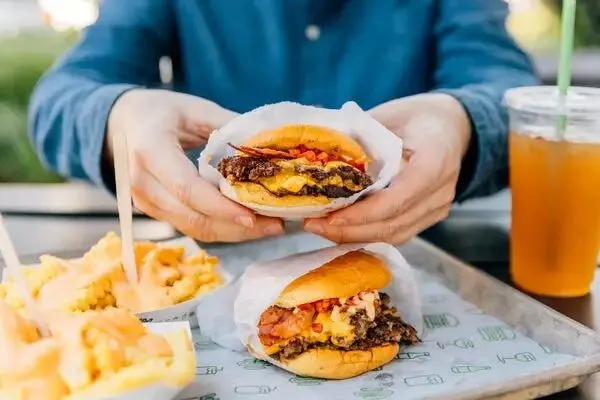
What you eat for lunch could influence your immune system just hours later
你午餐吃的食物,短短数小时后就可能影响自身免疫系统
导读:新研究表明,我们的饮食选择会在短期内对身体应对感染的方式起到重要作用......

“Starve a cold, feed a fever” is a myth⁽¹⁾—but according to new research, the timing of when we eat in the short term may play a role in how our bodies fight off infections⁽²⁾.
“感冒宜饿,发烧宜饱” 是个误区。但新研究发现,短期进食的时间节点,可能会影响身体抵御感染的能力。
Researchers analyzed blood samples taken before breakfast from 31 study participants and then taken again six hours later, after the participants had eaten breakfast and lunch.
研究人员分析了31名受试者早餐前的血液样本,并在受试者吃完早、午餐的6小时后再次采血化验。
The researchers found that their T cells—a type of immune cell—in the postlunch blood draws appeared better prepared to fight off infection than their T cells upon waking—in other words, after not eating anything for hours.
研究发现,午餐后采集的血液中,免疫细胞的一种——T细胞,相比清晨空腹数小时后的T细胞,做好了更强的抗感染准备。
The findings were published on Wednesday in the journal Nature.
该研究成果于周三发表在《自然》期刊上。
The “fed” T cells were “functionally better,” says Greg Delgoffe, the study’s senior author and an immunologist at the University of Pittsburgh. “They were better at doing the things that T cells do.”
本研究资深作者、匹兹堡大学免疫学家格雷格・德尔戈夫表示:“进食后活化的T细胞功能状态更佳,能更好地发挥T细胞的固有作用。”
In further experiments in mice, the researchers found that the type of food appeared to matter, too—eating a fat-rich diet (in this case, corn oil) emerged⁽³⁾ as key to boosting⁽⁴⁾ the T cells’ abilities when compared with carbohydrate⁽⁵⁾- or protein⁽⁶⁾-rich diets.
在后续的小鼠实验中,研究人员发现食物种类同样至关重要:与高碳水、高蛋白饮食相比,高脂饮食(本实验中为玉米油)是提升T细胞免疫能力的关键。
......

后台回复【外刊精读】
获取完整版PDF
单词积累
(1)myth
n. 谬论;神话;虚构的事
例句:It is a myth that money can buy happiness.翻译:金钱能买到幸福是一种谬论。(2)infection
n. 感染;传染
派生:infect v. 传染;感染例句:Washing hands can prevent bacterial infection.(3)emerge
(4)boost
v. 提升;促进 n. 增长;推动
例句:Positive praise can boost students' confidence.翻译:积极的表扬能提升学生的自信心。在考研的前期学习中,外刊是非常重要的练习语感和磨耳朵的素材。
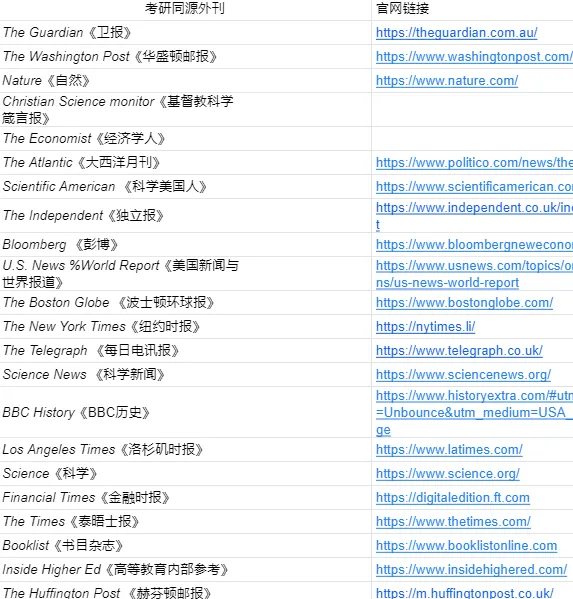
后台回复【外刊精读】,即可获取完整版PDF。

微信号:hx18014854621


