四六级、考研英语同源外刊精读《自然》英语不流畅怎么突破学术出版的语言壁垒?
- 2026-09-22 14:15:44


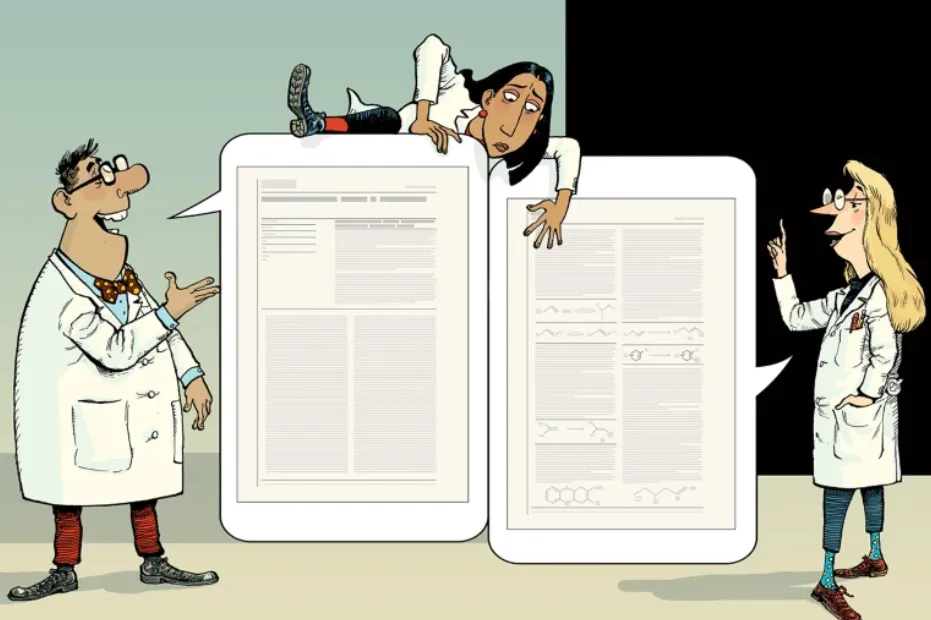
My English skills are hurting my chances in academic publishing — how can I improve?
我的英语水平正在拖累我发表学术论文的机会 —— 我该如何提升?
导读:一名英语非流利使用者难以突破学术出版中的语言壁垒......


This is a widespread⁽¹⁾ problem. Although science is a global enterprise — and therefore requires diverse⁽²⁾, worldwide participation — its use of English as a commorevisen language presents a challenge. More than 90% of people globally don’t speak English as a first language, including many scientists.
这是一个普遍存在的问题。科学本是一项全球性事业,因此需要世界各地多元群体的参与,但将英语作为通用语言却带来了一项挑战。全球超 90% 的人不以英语为母语,其中就包括许多科研工作者。
A 2023 study1 of 908 environmental scientists reported that, on average, journals are up to 2.6 times more likely to reject papers on the basis of language quality when they come from authors whose first language isn’t English than when they come from peers whose first language is English — and that non-fluent English speakers are asked to revise⁽³⁾ papers 12.5 times more often.
2023年一项针对908名环境科学家的研究显示:平均而言,期刊因语言质量拒掉非英语母语作者论文的概率,是英语母语作者的2.6倍;同时,英语非流利使用者被要求修改论文的频次也要高出12.5倍。
Another analysis2, published in 2025, suggests that scientists who are women, particularly those from low-income countries, are most affected by language barriers⁽⁴⁾. Women from low-income countries whose first language is not English publish substantially⁽⁵⁾ fewer English-language papers than their male counterparts from higher-income countries whose first language is English.
2025年发表的另一项分析指出,女性科研人员(尤其是低收入国家的女性研究者)受语言壁垒的影响最大。低收入国家的非英语母语女性,发表英文论文的数量远少于高收入国家的英语母语男性同行。
Few journals, universities or grant⁽⁶⁾ programmes foot the bill for editing or translation services, leaving many scientists for whom English isn’t a main language to fend for themselves. Nature’s careers team spoke to researchers who focus on language inclusivity in science and sought their advice on how researchers from diverse backgrounds can improve their chances of success in scientific publishing.
几乎没有期刊、高校或资助项目会为论文润色和翻译服务买单,这让许多非英语母语的科研人员只能独自应对困境。《自然》杂志职业板块团队采访了专注于科研语言包容性研究的学者,就多元背景研究者如何提高学术出版成功率征集了相关建议。
......

后台回复【外刊精读】
获取完整版PDF
高频词汇
(1)widespread
adj. 普遍的;广泛流传的
例句:There is widespread concern about environmental pollution.翻译:民众对环境污染普遍感到担忧。(2)diverse
adj. 多元的;多种多样的
(3)revise
(4)substantially
翻译:今年的生活成本大幅上涨。
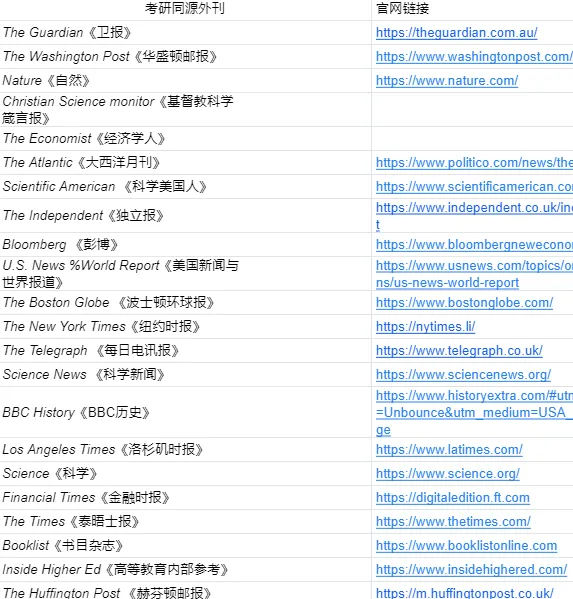
*在英语四六级、考研的前期学习中,外刊是非常重要的练习语感和磨耳朵的素材。
后台回复【外刊精读】,即可获取完整版PDF。

微信号:hx18014854621


