四六级、考研英语同源外刊精读《科学新闻》土壤升温或将让南极植物面临日益加剧的真菌威胁
- 2026-09-20 14:46:14


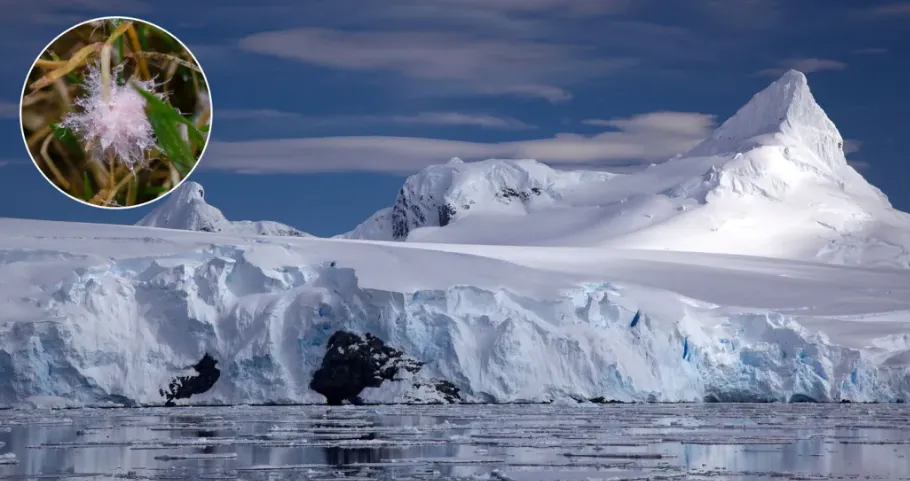
Antarctic plants may face a growing fungal threat¹ from warming soils
导读:在高排放情景下,到2100年,该区域的真菌数量或将大致翻倍......

Global warming will expand² the tiny Antarctic plant community. But it could also foster³ pathogenic fungi in soils that might kill those plants.
全球变暖会让本就稀少的南极植物种群范围扩大,但同时也会促使土壤中滋生致病真菌,这些真菌可能导致植物死亡。
Analyses of soil samples from southern Chile to the Antarctic Peninsula reveal⁴ that fungi that prey on plants grow more abundant⁵ and diverse⁶ with higher air temperature, researchers report in the May Global Change Biology. By 2100, the team says, projected warming could double the occurrence of those fungi in some coastal Antarctic soils.
研究人员在5月的《全球变化生物学》期刊中发文称,对智利南部至南极半岛的土壤样本分析发现,气温越高,寄生在植物上的真菌数量就越多、种类也越丰富。该研究团队表示,受预估气候变暖影响,到2100年,南极部分沿海土壤中这类真菌的出现率或将翻一番。
Less than 1 percent of Antarctica’s land is ice-free. Even the relatively wet, mild Antarctic Peninsula and nearby islands are forbidding to plant life, which can spend up to eight months covered in snow. But some cold-adapted plants, such as mosses and liverworts, cling to life.
南极大陆仅有不到1%的土地无冰层覆盖。即便是气候相对湿润温和的南极半岛及周边岛屿,环境也依旧不利于植物生长,这里的植物最长有八个月时间被积雪掩埋。但苔藓、地钱等部分耐寒植物仍在此顽强存活。
There’s often an assumption⁷ that as Antarctica’s ice recedes due to warming temperatures, the continent’s plants will happily colonize the newly available land, says Kevin Newsham, a soil and plant ecologist with the British Antarctic Survey, based in Cambridge, England. But “in reality, it won’t be like this. The plants aren’t going to have it strictly easy.”
任职于英国剑桥英国南极调查局的土壤与植物生态学家凯文・纽沙姆表示,人们通常认为,随着气温升高、南极冰层消退,当地植物会顺利在新露出的土地上繁衍生长。但他指出:“现实并非如此,这些植物的生存之路绝不会一帆风顺。”
Fungi that cause plant disease lurk in soils worldwide, though little has been known about the threat they pose to Antarctica’s plants. So Newsham and his colleagues collected and analyzed fungal DNA in over 50 samples of soils along a 1,900-kilometer swath through southern Chile, Antarctic islands and the Antarctic Peninsula.
致病真菌遍布全球各地的土壤之中,但它们对南极植物造成的威胁此前一直鲜为人知。为此,纽沙姆及其团队沿着一条长达1900公里的地带(涵盖智利南部、南极群岛及南极半岛),采集了50多份土壤样本,并对其中的真菌DNA展开分析。
The researchers also analyzed how each site’s climate correlated⁸ to fungal abundance and diversity. What they found was startlingly simple: The warmer the climate, the more pathogenic fungi were present, in both number and variety. Under medium high to high future greenhouse gas emissions scenarios⁹, those numbers could double by the end of the century.
研究人员还分析了各个采样点的气候与真菌数量、种类之间的关联。他们得出的结论十分明确:气候越温暖,致病真菌的数量和品类就越多。在未来中高至高水平温室气体排放的情景下,本世纪末这类真菌的数量或将翻倍。
......

后台回复【外刊精读】
获取完整版PDF
高频词汇
(1)threat
n. 翻译:威胁;隐患
例句:Pollution is a major threat to wildlife.
翻译:污染是野生动物面临的一大威胁。
(2)expand
v. 扩大;扩张;发展;拓展
例句:The company plans to expand its overseas business.
翻译:这家公司计划拓展海外业务。
(3)foster
v. 助长;滋生;培养;促进
例句:Good communication fosters mutual trust.
翻译:良好的沟通能够增进彼此的信任。
(4)reveal
v. 揭示;显示;透露
例句:The report reveals many hidden problems.
翻译:这份报告揭示了诸多隐藏的问题。
*在英语四六级、考研的前期学习中,外刊是非常重要的练习语感和磨耳朵的素材。
后台回复【外刊精读】,即可获取完整版PDF。

微信号:hx18014854621


