四六级、考研英语同源外刊精读《科学新闻》即便处于麻醉状态,大脑一小部分区域仍能感知声音
- 2026-09-22 04:57:06


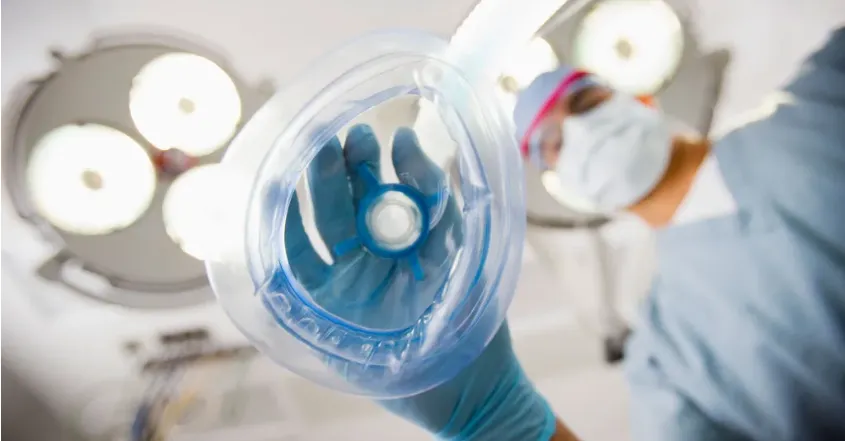
A tiny part of your brain may still listen under anesthesia
导读:研究表明,完成复杂脑部活动不一定需要意识参与......


General anesthesia shuts off conscious¹ awareness, but what do our brains process while we’re under?
全身麻醉会阻断人的主观意识感知,但在麻醉失去意识期间,我们的大脑究竟在处理什么信息?
Individual neurons in a brain region known for its role in memory consolidation can detect² unexpected sounds, decode the nuances of language and even predict³ upcoming word types in a sentence, all while a patient is fully anesthetized, researchers report May 6 in Nature.
研究人员于5月6日在《自然》杂志发表研究:大脑中负责记忆巩固的脑区里,单个神经元即便在患者被完全麻醉时,依然可以察觉意外声响、辨析语言中的细微语义,甚至预判一句话后续将要出现的词汇类别。
Scientists have been gathering mounting⁴ evidence that even when unconscious, our brains can track certain aspects of speech. “The field was already moving toward a more nuanced⁵ picture [of what the unconscious brain can do], but this study pushes the boundary considerably further,” says Athena Akrami, a neuroscientist at University College London who was not involved with the research.
越来越多的证据显示,人类在无意识状态下,大脑依旧能捕捉语言的部分信息。伦敦大学学院神经科学家雅典娜・阿克拉米并未参与本次研究,她表示:“业内本就对无意识大脑的能力有了更细化的认知,而这项研究极大地拓宽了现有研究边界。”
To peer into the unconscious brain, neurosurgeon Kalman Katlowitz of Baylor College of Medicine in Houston and colleagues monitored⁶ activity in the hippocampi of seven anesthetized patients. The team used a technology developed within the last few years called a Neuropixels probe. These high-density microelectrodes can record the electrical activity of hundreds of individual neurons simultaneously⁷, rather than listening to the collective⁸ activity of groups of neurons. The team inserted these probes into patients’ hippocampi, in tissue slated for surgical removal as part of epilepsy treatment.
为探究无意识状态下的大脑运作,美国休斯顿贝勒医学院神经外科医生卡尔曼・卡特洛维茨及其团队监测了七名麻醉患者海马体的神经活动。课题组使用了近年新问世的神经像素探针技术:这类高密度微电极能够同步记录数百个独立神经元的电信号,而非仅采集一簇神经元的整体活动数据。研究人员将探针植入患者海马组织,该部分脑组织原本就因癫痫治疗方案需要手术切除。
While the patients were under general anesthesia, the researchers played various sounds through headphones. For some patients, this consisted of a series of uniform pure tones interspersed with occasional, unexpected “oddball” tones of a different frequency. For others, the researchers played 10 to 20 minutes of educational videos and storytelling podcasts, like The Moth Radio Hour, to evaluate⁹ how the brain processes natural speech.
患者全麻期间,研究人员通过耳机播放各类音频。一部分受试者收听一连串音调统一的纯音,音频中随机穿插频率不同、突兀的异常音调;另一部分受试者收听10至20分钟科普视频原声与故事类播客(如《飞蛾电台》),以此测评大脑处理自然口语的规律。
......

后台回复【外刊精读】
获取完整版PDF
高频词汇
(1)conscious
adj. 有意识的;察觉到的
例句:Patients under deep anesthesia are not conscious of outside sounds.译文:深度麻醉下的患者无法察觉外界声响。(2)detect
v. 察觉;探测
例句:Brain cells can detect subtle sound changes without conscious thought.译文:脑细胞无需主观思考就能察觉细微的声音变化。(3)predict
v. 预测;预判
例句:Our brain tries to predict the next word while we listen to speeches.译文:聆听讲话时,我们的大脑会试着预判下一个单词。(4)mount
v. 不断增加;逐步累积
例句:Researchers have mounted more proof about unconscious brain activity.译文:科研人员积累了更多关于无意识大脑活动的证据。*在英语四六级、考研的前期学习中,外刊是非常重要的练习语感和磨耳朵的素材。
后台回复【外刊精读】,即可获取完整版PDF。


微信号:hx18014854621


